
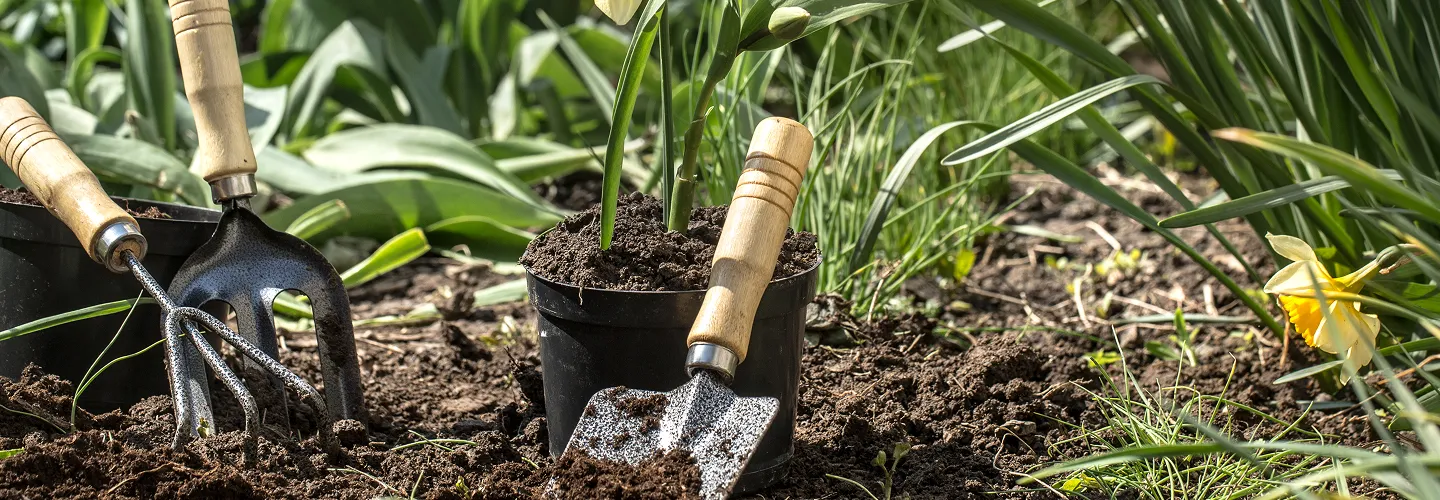
Dublin Landscape Services
Sign up now for autumn service and enjoy a vibrant, worry-free yard all season long!
Get a Free QuoteLandscape Services Tailored for Dublin, Georgia
Expert Lawn Care for Dublin’s Unique Landscape
Dublin, Georgia’s climate brings hot, humid summers and mild winters, creating unique challenges for residential lawns. Homeowners in neighborhoods like Holly Hills and Meadowdale must contend with summer drought stress, which can leave grass brittle and brown without attentive care. Shaded lots near Stubbs Park or beneath the city’s mature oaks require specialized turf management to prevent thinning and moss growth. Additionally, sloped properties along the Oconee River are prone to soil erosion, demanding tailored solutions to maintain healthy, vibrant lawns. For more information about local parks and community resources, visit the City of Dublin’s official website.
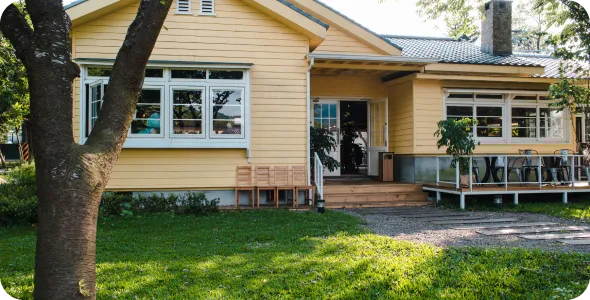
Our Dublin Landscaping & Yard Care Services
Dublin Gardening Services
Dublin Yard Clean Up
Why Choose Dublin Landscape Services


Dublin Homeowners Trust Us
-
Expert Lawn Maintenance
-
Competitive Pricing
-
Professional Team
-
Satisfaction Guarantee
-
Personalized Service
-
Reliable Scheduling
Contact Your Local Dublin Public Works or Solid Waste Department for Green Waste Info
Dublin residents in Laurens County can coordinate yard waste disposal through the city's Public Works and Solid Waste services. Grass clippings, leaves, branches, hedge trimmings, and organic debris are typically collected on a scheduled basis; residents should bundle branches (generally four feet or shorter) and use approved containers rather than plastic bags. The city's convenience center accepts green waste from residents with proof of address, and commercial landscapers may be subject to separate disposal fees or facility requirements. Storm debris collection is announced following severe weather events. Importantly, blowing or dumping clippings, leaves, sediment, or fertilizer granules into streets, gutters, storm drains, ditches, or streams is prohibited under local stormwater rules and the Clean Water Act. Grasscycling—leaving finely mulched clippings on the lawn—reduces waste volume and returns nutrients to Middle Georgia's variable soils.
Dublin Public Works Department
200 Jerry J. Jones Drive, Dublin, GA 31021
Phone: (478) 277-5009
Official Website: Dublin Public Works Department
Lawn Care Regulations & Permits in Dublin, GA
All commercial pesticide applicators working in Dublin must hold valid licenses under the Georgia Pesticide Use and Application Act of 1976 and the Georgia Pesticide Control Act of 1976. Verify credentials through Georgia Department of Agriculture - Search for Pesticide Applicators. Fertilizer products sold and distributed in Georgia are regulated under the Georgia Fertilizer Act of 1997, though local stormwater ordinances and watershed programs may influence application timing and runoff-prevention practices. Outdoor watering in Dublin follows statewide conservation rules outlined by Georgia Water Conservation, including odd/even schedules and time-of-day restrictions. Commercial operators must obtain an occupation tax certificate from the City of Dublin, carry liability insurance, and comply with local noise ordinances governing equipment operation hours in residential areas.
Georgia Department of Agriculture
19 Martin Luther King Jr. Drive SW, Atlanta, GA 30334
Phone: (404) 656-3600
Official Website: Georgia Department of Agriculture
What Neighborhoods Do We Serve in Dublin, GA?
Dublin sits squarely in Middle Georgia's transition zone between heavier Piedmont-influenced clay and sandier Coastal Plain soils, creating neighborhood-by-neighborhood variability that demands tailored lawn strategies.
- Hillcrest / Bellevue Avenue area — Established homes with mature hardwood canopy, compacted clay-loam soils, and shade stress on bermudagrass; proximity to downtown drainage infrastructure requires careful runoff management
- Northside Drive / Country Club Estates — Higher-input zoysiagrass and bermudagrass lawns on gently rolling lots; sandy-loam pockets drain quickly but leach nutrients, requiring split fertilizer applications
- Southside / US-441 corridor neighborhoods — Mixed-age subdivisions with centipedegrass and bermudagrass; compacted fill soils in newer sections need annual aeration
- Dublin Heights / West Jackson Street area — Older residential lots with large pines creating acidic, needle-covered soils; centipedegrass thrives here but requires careful pH monitoring
- East Dublin / GA-29 corridor — Suburban and semi-rural properties with sandier Coastal Plain soils, bahiagrass in lower-input yards, and bermudagrass in maintained lawns; drainage ditches connect to the Oconee River watershed
- River Bend / Oconee River vicinity — Alluvial soils near the river with periodic saturation; stream-buffer rules apply, and flood-tolerant turf selection is critical
- Shamrock Park / Academy Drive area — Family-oriented neighborhoods near schools and parks with moderate shade and mixed bermudagrass-zoysiagrass lawns; HOA-style appearance expectations in some sections
Soil data from the USDA Web Soil Survey confirms Laurens County's mix of Tifton sandy loam, Orangeburg series, and Faceville soils—each requiring different fertility and irrigation approaches.
Partnering With Dublin's Stormwater, Environmental, or Sustainability Office
Dublin's stormwater management aligns with Georgia EPD - Municipal Stormwater requirements and Georgia EPD - Stormwater best practices. The Oconee River and its tributaries flowing through Laurens County make nutrient and sediment runoff prevention essential. Sustainable lawn care practices that support local water quality include:
- Proper mulching of beds to reduce erosion and retain soil moisture
- Grasscycling to return nitrogen to Middle Georgia's variable soils
- Compost topdressing to improve infiltration in compacted clay areas
- Rain garden installation in low spots to capture stormwater
- Native and adapted plant integration along drainage corridors
- Lower-input centipedegrass or bahiagrass in areas where high-maintenance turf is unnecessary
Coordination with the Georgia Soil and Water Conservation Commission - Urban Erosion & Sediment Control ensures land-disturbing activities during lawn renovation comply with erosion-control standards.
Georgia Environmental Protection Division
2 Martin Luther King Jr. Drive SE, Suite 1456 East, Atlanta, GA 30334
Phone: (404) 656-4713
Official Website: Georgia Environmental Protection Division
UGA Cooperative Extension — Laurens County
909 Buckeye Road, Dublin, GA 31021
Phone: (478) 272-2277
Official Website: UGA Cooperative Extension
Top Dublin Lawn Problems (and How We Solve Them)
Middle Georgia's long, hot summers and variable soils create specific turf challenges. Based on UGA Turfgrass and UGA Lawn Care & Landscaping guidance:
- Large patch in zoysiagrass and centipedegrass — Avoid late-season nitrogen; apply preventive fungicide in early fall when soil temperatures drop below 70°F; improve drainage in compacted areas
- Armyworm outbreaks — Monitor bermudagrass and pasture-edge lawns from late summer through fall; apply targeted insecticide at first sign of damage using IPM thresholds
- Mole cricket damage — Sandy-loam soils in East Dublin and southern neighborhoods are especially vulnerable; apply nematode-based biological controls or targeted bait in June when nymphs are small
- Summer drought stress — Water deeply and infrequently during early morning hours; raise mowing heights (3–4 inches for centipedegrass, 1.5–2 inches for bermudagrass) to promote deeper roots
- Soil compaction in clay-influenced areas — Core-aerate warm-season lawns in late spring; topdress with compost to improve infiltration and reduce runoff
- Weed invasion after summer rain — Dense, healthy turf is the best defense; pre-emergent herbicide in late February and early September targets crabgrass and annual sedge cycles
- Brown patch in limited fescue plantings — Tall fescue struggles in Dublin's heat; transition to zoysiagrass in shaded areas where fescue repeatedly fails
Soil testing through UGA's lab determines pH and nutrient needs before any corrective application.
What Makes Lawns in Dublin Different From the Rest of Georgia?
Dublin occupies USDA Hardiness Zone 8b in the heart of Middle Georgia, distinguishing it from every other Georgia region:
- Soil transition zone — Unlike Metro Atlanta's uniform red clay or South Georgia's deep sands, Dublin straddles Piedmont-influenced clay-loam and Coastal Plain sandy-loam soils, sometimes within the same neighborhood
- Growing season — Approximately 240–260 frost-free days, longer than North Georgia but with more winter dormancy risk than coastal areas; last frost near mid-March, first frost near mid-November
- Summer heat pressure — Sustained temperatures above 95°F stress even warm-season grasses; centipedegrass enters heat dormancy more readily here than in irrigated coastal landscapes
- Turf diversity — Bermudagrass, zoysiagrass, and centipedegrass all perform well, unlike North Georgia where tall fescue dominates or coastal zones where St. Augustinegrass prevails
- Pest overlap — Mole crickets from the sandy south and armyworms common across Middle Georgia converge here; nematode pressure is moderate compared to deep Coastal Plain sands
- Oconee River watershed sensitivity — Lawn runoff drains toward the Oconee and ultimately the Altamaha River system, demanding careful nutrient management unlike landlocked Piedmont creek systems
- Landscape character — Mature pecan and pine canopies create dappled shade patterns distinct from Atlanta's dense hardwood canopy or South Georgia's open agricultural edges
Supporting Local Events in Dublin With Lawn Expertise
Dublin's community calendar creates year-round demand for well-maintained public and private green spaces:
- St. Patrick's Festival — Downtown parks and medians require pre-event mowing, edging, and debris removal for one of Georgia's largest St. Patrick's Day celebrations
- Dublin-Laurens County Parks — Athletic fields at Shamrock Park, Legion Field, and community recreation areas need seasonal aeration, overseeding, and pest management
- School campus grounds — Dublin City Schools and surrounding facilities benefit from summer renovation programs and fall sports-field preparation
- Farmers market and downtown events — Streetscape and greenspace maintenance supports Dublin's revitalized downtown corridor
- Watershed and creek cleanup events — Volunteer coordination along Oconee River tributaries and local drainage corridors
- Storm recovery — Rapid debris removal, fallen-limb cleanup, and turf repair following Middle Georgia's severe thunderstorms and occasional tropical remnants
Dublin Parks & Recreation Department
308 Theater Drive, Dublin, GA 31021
Phone: (478) 277-5060
Official Website: Dublin Parks & Recreation Department
Eco-Friendly Landscaping Backed by Dublin's Water-Saving and Green Initiatives
Aligning with Georgia Water Conservation goals and local utility programs, sustainable lawn care in Dublin emphasizes:
- Smart irrigation — WiFi-enabled controllers adjust watering based on real-time weather data; zone calibration prevents overwatering sandy soils and runoff from clay areas
- Drought-tolerant turf selection — Bermudagrass and centipedegrass require less supplemental irrigation than zoysiagrass or fescue in Dublin's summer heat
- Hydrozoning — Grouping plants by water need reduces waste and protects the Oconee River watershed from excess nutrient runoff
- Reduced-chemical approaches — Compost topdressing builds soil biology; IPM protocols minimize pesticide use; pollinator-friendly beds replace high-input turf in low-traffic areas
- Lower-emission equipment — Battery-powered mowers, trimmers, and blowers reduce noise and carbon output in residential neighborhoods
- Local mulch reuse — Chipped brush and leaf compost from municipal programs return organic matter to Dublin's soils
- Invasive species awareness — Monitoring for cogongrass and other invasives per UGA Invasive Species guidance protects native landscapes
National Weather Service — Peachtree City Office
4 Weather Service Road, Peachtree City, GA 30269
Phone: (770) 486-1133
Official Website: National Weather Service Offices
U.S. Environmental Protection Agency, Region 4
61 Forsyth Street SW, Atlanta, GA 30303
Phone: (404) 562-9900
Official Website: U.S. EPA Region 4
Proudly Serving These Streets and Areas in Dublin
Downtown / Central Dublin:
- Bellevue Avenue, West Jackson Street, East Jackson Street, Academy Avenue, Church Street, Madison Street, Franklin Street, Jefferson Street, and the Historic Downtown Commercial District
North Dublin:
- Northside Drive, Country Club Drive, Briarcliff Road, Claxton Dairy Road, Firetower Road, Hillcrest area subdivisions, and neighborhoods near Stubbs Park
South Dublin:
- US-441 South corridor, Buckeye Road, Cedar Street, Soperton Highway area, and residential streets near Dublin Middle School
East Dublin / GA-29:
- East Dublin neighborhoods, Central Drive, Cardinal Drive, GA-29 / Soperton Highway corridor, and semi-rural properties approaching the Laurens County line
West Dublin:
- US-80 West corridor, Telfair Street, West Mary Street, Industrial Boulevard area, and neighborhoods near the Oconee River
Notable Landmarks & Green Spaces:
- Shamrock Park, First Dublin Park, Dublin Country Club, Theatre Dublin, Dublin-Laurens County Library, Stubbs Park, Legion Field, Dublin City Schools campuses, Veterans Boulevard corridor, and the Oconee River greenway areas
Properties near the Oconee River, stormwater detention ponds, or designated stream buffers may require additional setback compliance and erosion-control measures during any lawn renovation or land-disturbing activity.
Dublin Development Services Department
200 Jerry J. Jones Drive, Dublin, GA 31021
Phone: (478) 277-5009
Official Website: Dublin Development Services Department
Georgia Soil and Water Conservation Commission
4310 Lexington Road, Athens, GA 30605
Phone: (706) 552-4470
Official Website: Georgia Soil and Water Conservation Commission